|
Material
Pre-formed....Liner...or...Concrete..?
Concrete construction.
This is the least popular method as it can be more expensive than other methods.
Foundations must be solid and reinforced to prevent cracking if the subsoil
shifts during the course of the year. Once rendered, the pool must be painted
with at least two coats of a purpose made pond paint.
|
 |
Pre-formed pools.
Pre-formed ponds are made out of plastic or fibreglass, and are available in a
wide range of shapes and sizes. They are extremely durable, and are popular with
many, because once installed they have a smooth surface without creases. Don’t
be misled into buying one too small for your requirements - they look far bigger
out of the ground than they do when they are installed. At any of our centres
you will be able to see examples of pre-formed pools both out of the ground and
installed, to give you an idea of the difference in scale.
(See "Preformed
Ponds")
|
 |
Flexible liners.
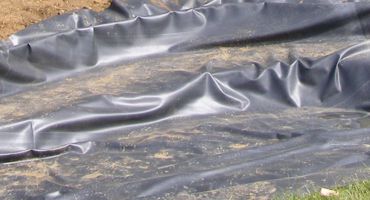
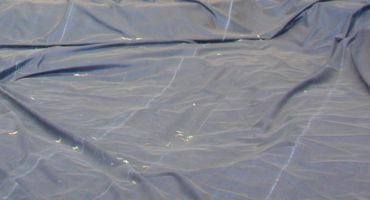
Liners are the most popular and cost effective way of creating a garden pond.
They are available in a wide range of materials and sizes and allow you to make
a pond of any shape. Remember that the manufacturers guarantee does not include
punctures - so it is worth taking care to install correctly, using a good
quality underlay.
(See "Liners")
|
 |
Remember: -
Should a liner or a
preformed pool fail once it has been installed, the guarantee will only cover
the replacement or repair of the liner,
not the installation costs, so World of
Water have made sure they only sell top quality liners. Care must be taken to
avoid exposed liner showing above the water level once it has been installed.
Not only does it look unsightly, but sunlight can slowly degrade it.
|
Siting Ponds
- Siting any ponds in areas prone to
water logging or where there is a high water table must be avoided due
to the risk of damage. This can be avoided by having a fully or
partially raised pond.
- No sunken pond should be emptied if
the ground is saturated with water. Ground water will fill the
excavation from under the liner causing serious damage.
- Partially raised ponds should not be
emptied below ground level in wet conditions (as above).
- Raised ponds should be safe to empty
in most conditions.
- If emptying any pond ensure you drain
the water well away from the pond. This will stop the drained water
running under the liner and causing damage.
- Damage caused by poor siting or
external water pressure would not be covered by any warranty
|
|
|